
When Should You Replace Your RV Tires?
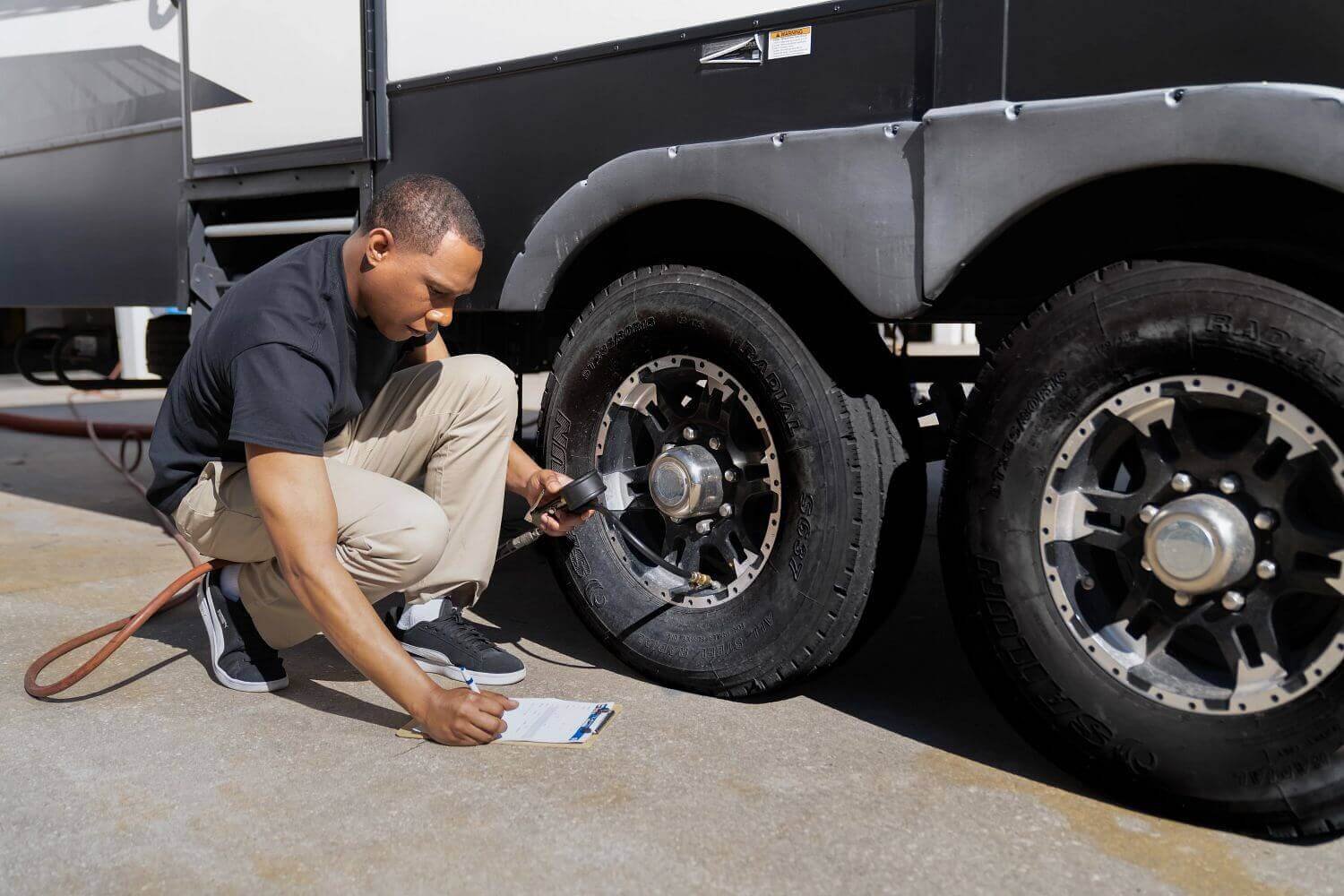
RV tires often need to be replaced before the tread is completely worn out. Unlike tires on a daily-driven vehicle, RV tires may spend weeks or months parked in one place. During that time, age, sunlight, heat, improper inflation, heavy loads, and long periods of inactivity can weaken the tires.
This is particularly important for RV owners in Florida. The National Highway Traffic Safety Administration warns that sunlight, warmer climates, poor storage, and infrequent use can contribute to tire aging. It also notes that tire aging can be a greater concern in southern Sun Belt states.
Before taking your motorhome, travel trailer, or fifth wheel on its next trip, check for these seven signs that your RV tires may need to be replaced.
1. Your RV Tires Are Reaching Their Age Limit
RV tires can look nearly new while still being too old for reliable highway use. Rubber compounds gradually deteriorate over time, even when the RV is stored and the tires have plenty of tread remaining.
NHTSA reports that some vehicle and tire manufacturers recommend replacing tires when they are approximately six to ten years old, regardless of tread depth. Michelin recommends that tires receive a professional inspection every year after five years of service and be replaced as a precaution once they reach ten years from the manufacture date. Always follow the recommendations provided by your RV and tire manufacturers.
Age alone does not tell the entire story. An RV tire exposed to Florida heat, direct sunlight, overloading, low pressure, or extended storage may need replacement sooner.
2. The Sidewalls Are Cracked or Dry-Rotted
Small surface marks can eventually develop into deeper cracking as the tire ages. Inspect both the inside and outside sidewalls for:
Cracks between the tread blocks
Dry or brittle-looking rubber
Splits around the lettering
Cracking near the wheel or bead
Exposed cords or internal material
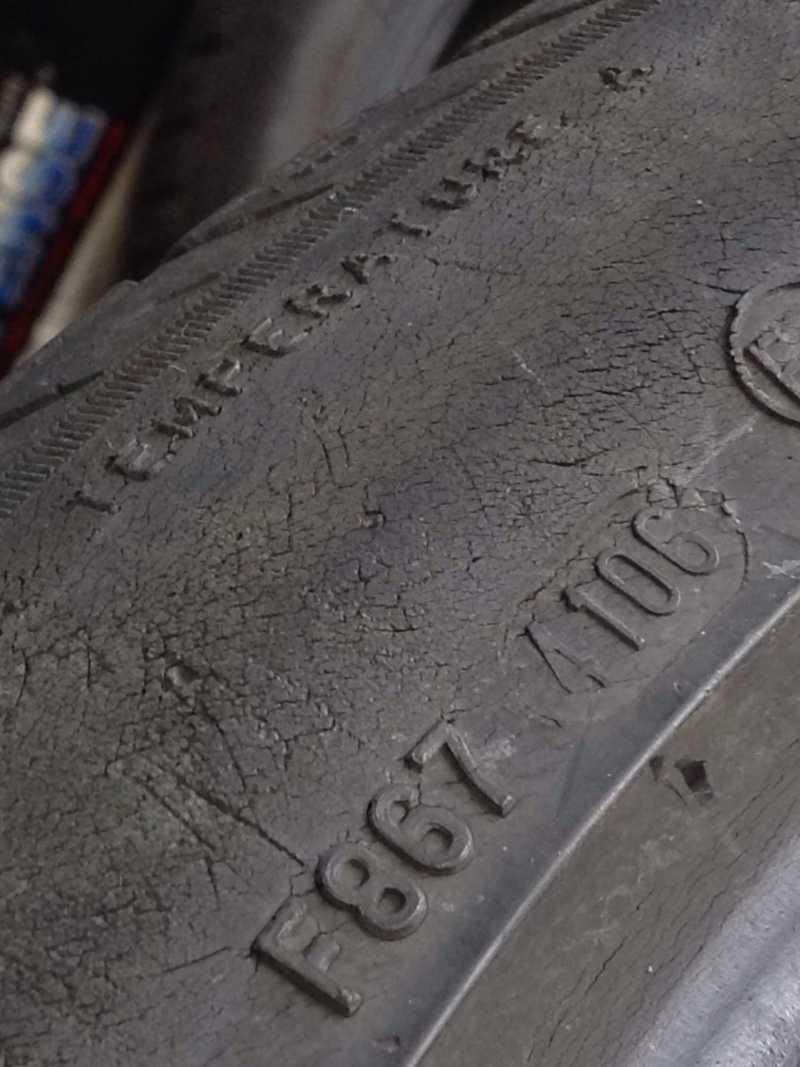
Do not assume that minor-looking damage is harmless. The outside appearance of a tire cannot reveal every form of internal deterioration. Any questionable cracking should be inspected by a qualified tire professional before the RV is driven at highway speeds.
3. You See a Bulge, Bubble, or Distorted Area
A bulge or bubble usually indicates that the tire’s internal structure has been damaged. This type of damage can result from an impact, overloading, underinflation, or internal separation.
A tire with a visible bulge should not remain in service. It can fail without much additional warning, especially under the heat and load created during highway travel.
Check the entire circumference of each tire, including the inner sidewall. On dual-wheel motorhomes, damage between the paired tires can be easy to miss without a thorough inspection.
4. The Tread Is Worn or Uneven
Tread depth still matters, even though age is frequently the deciding factor for RV tire replacement. NHTSA advises replacing tires when the tread reaches 2/32 of an inch or becomes level with the built-in treadwear indicators.
RV tires should also be inspected for uneven wear, including:
Excessive wear on one shoulder
Wear on both outside edges
Wear down the center
Cupping or scalloped areas
Flat spots from extended storage
Different wear patterns between dual tires
Uneven tread wear may point to incorrect inflation, alignment problems, suspension wear, mismatched tires, overloading, or an improper tire size or load rating. Replacing the tire without correcting the underlying cause may allow the same problem to damage the new tire.
5. A Tire Continually Loses Air Pressure
A tire that repeatedly needs air may have more than a simple puncture. Pressure loss can come from:
A leaking valve stem
A damaged wheel
A bead leak
A nail or other puncture
Cracking around the valve or sidewall
Internal tire damage
NHTSA recommends checking tire pressure at least monthly while the tires are cold. For an RV, pressure should also be checked before every major trip and after the vehicle has been stored. The correct pressure should be based on the RV manufacturer’s specifications, the actual weight being carried, and the tire manufacturer’s load-and-inflation information—not simply the maximum pressure printed on the tire’s sidewall.
Never ignore repeated pressure loss. Underinflation increases tire flexing and heat buildup, which can contribute to internal damage and tire failure.
6. You Notice Vibration, Noise, or Changes in Handling
New vibration, unusual road noise, pulling, or changes in handling can indicate a tire or wheel problem. Possible causes include:
Tire separation
An out-of-round tire
Uneven tread wear
Wheel imbalance
A bent wheel
Incorrect tire pressure
Suspension or alignment problems
NHTSA recommends having tires checked when they stop maintaining pressure or produce unexplained noise or vibration.
Do not continue driving an RV at highway speed when it develops a sudden vibration. Reduce speed safely, pull over in an appropriate location, and inspect the tires or contact a professional mobile tire service.
7. The Tire Has Been Overloaded or Driven While Underinflated
RV tires carry significant weight. Water tanks, fuel, passengers, generators, tools, food, personal belongings, towing equipment, and aftermarket accessories can all increase the load placed on the tires.
A tire may be overloaded even when the RV’s total weight appears to be within its overall limit. Weight is not always distributed evenly between axles or from one side of the RV to the other.
Driving while overloaded or underinflated can generate excessive heat and damage a tire internally. Even after the air pressure is corrected, the tire may no longer be safe. A professional inspection is recommended whenever an RV tire has been driven significantly underinflated or exposed to a known overload.
How to Read the DOT Date Code on an RV Tire
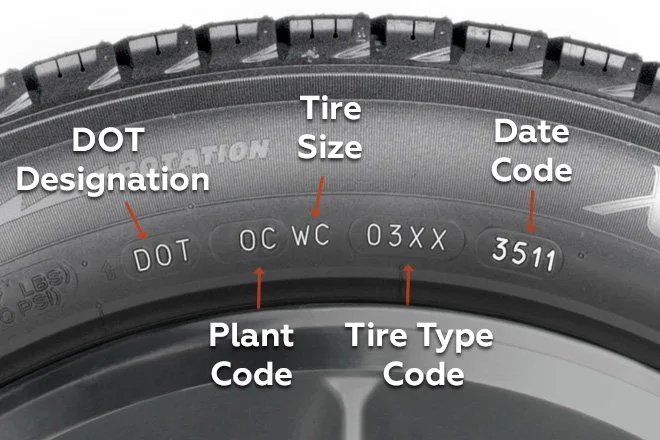
The DOT Tire Identification Number is molded into the tire’s sidewall. The final four digits identify the week and year the tire was manufactured.
For example:
DOT code ending in 1822 = manufactured during the 18th week of 2022.
You may need to inspect both sides of the tire because the complete DOT number is not always printed on the outward-facing side.
Check every tire individually. Do not assume all tires are the same age simply because they were installed at the same time. Replacement tires may have been manufactured in different weeks or even different years.
Do Not Forget the Spare Tire
An RV’s spare tire may be one of the oldest tires on the vehicle. Because it is rarely used, it can retain deep tread while the rubber continues to age.
Inspect the spare for:
Its DOT manufacture date
Proper inflation
Sidewall cracking
Valve-stem deterioration
Water or sun damage
Damage from its mounting location
NHTSA warns that spare tires are also subject to aging, even when they have rarely or never been used.
Should All RV Tires Be Replaced at the Same Time?
Replacing a complete set is often appropriate when all the tires are the same age and have experienced similar conditions. However, the correct decision depends on the tire type, axle position, tread depth, size, load rating, and condition of the remaining tires.
On dual-wheel motorhomes, paired tires should be properly matched. Differences in size, inflation, construction, or remaining tread can cause one tire to carry more of the load. A qualified tire professional can determine whether one tire can be replaced safely or whether multiple tires should be replaced together.
Have Your RV Tires Inspected Before Your Next Trip
A tire failure on an RV can damage more than the tire. A blown tire may damage body panels, plumbing, wiring, wheel wells, suspension components, or the underside of the vehicle. A professional inspection before a long trip can identify many problems before they become roadside emergencies.
Veterans Mobile Tire Service provides mobile RV tire inspection and replacement services throughout Jacksonville and surrounding Northeast Florida communities. We service motorhomes, travel trailers, fifth wheels, toy haulers, and other recreational vehicles at your home, storage facility, campground, or roadside location.
Instead of driving your RV to a traditional tire shop, our mobile tire service comes directly to you.
Contact Veterans Mobile Tire Service today to schedule an RV tire inspection or request mobile RV tire replacement in the Jacksonville area.